✦ For support workers

Turn an everyday support moment into an observation the team can use.

Prepare for a real routine. Use examples that respect the learner’s age and interests. Practise one step. Use the support in context. Then record what happened without turning the moment into a test.

  • Family-led goals
  • Age-respectful practice
  • Plain-language handoffs
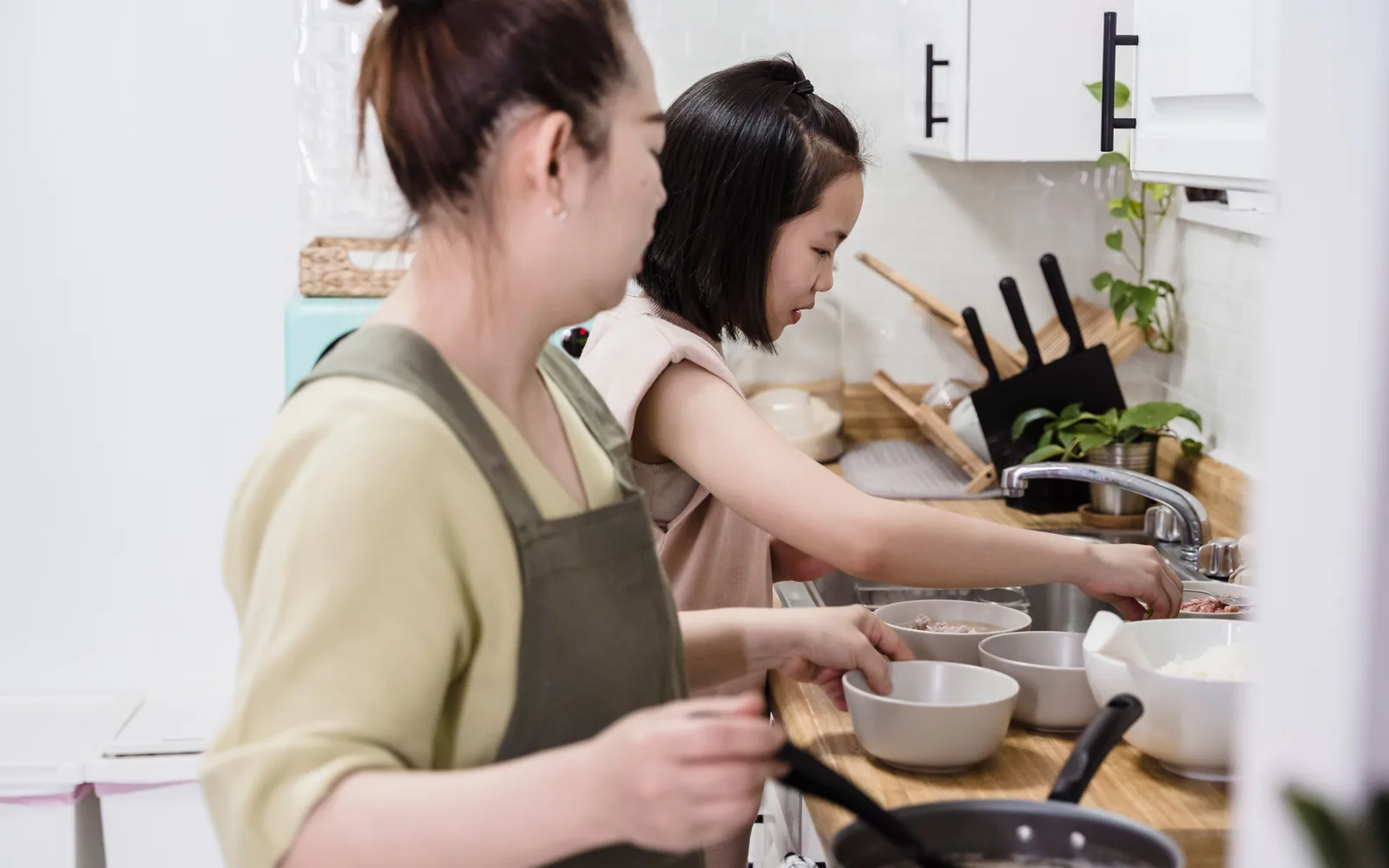
An adult and child preparing food together in a kitchen
Everyday routines can reveal useful learning.Photo by Annushka Ahuja on Pexels.

Learning in real life

Notice participation in the moment that matters.

Preparing food, taking transit, shopping, and joining a community activity all create real chances to communicate, sequence steps, make choices, and build independence.

  • Prepare with a familiar word, picture, or short sequence
  • Offer the same support during the real routine
  • Record what happened and what made participation easier

Participation matters

Support participation, not compliance.

A useful session is not always the one that finishes the most tasks. It may be the one in which the learner:

  • communicates a boundary
  • makes a meaningful choice
  • uses a support before distress rises
  • chooses Make today nice and easy when a lower-pressure session is needed
  • completes one step with less prompting
  • returns after a break
  • shows that the current demand or environment needs to change

Sage’s World should support autonomy and communication. It should not be used to override refusal, force completion, or make access to basic needs conditional on performance.

A four-part routine

Prepare. Practise. Apply. Notice.

Keep the goal connected to the learner’s actual day, then record only what the next person can use.

01

Prepare

Choose the actual situation: taking transit, ordering food, completing a household task, joining an activity, asking for a break, or following a schedule.
02

Practise

Use a short activity, visual schedule, social story, familiar phrase, or Talk Board selection before the routine begins.

Choose Childlike or Teen & adult examples when Auto does not fit. The content style can change without changing the learner’s goal or level.

03

Apply

Offer the same support in the real setting. Allow enough processing time and respect the learner’s communication method.

04

Notice

Record what the learner did, what support was present, and what might make the next attempt easier or more independent.

Examples from daily life

Connect practice to the next real moment.

Shopping

Practise recognizing two items, following a short list, comparing quantities, or asking an employee for help.

Transportation

Review a visual schedule, identify a stop, practise a safety phrase, or sequence the steps of a trip.

Daily living

Break a task into visible steps, use familiar photos, and notice which prompt can be reduced next time.

Recreation

Preview the setting, practise a choice or greeting, and plan a clear way to request a break or finish.

Community communication

Use the Talk Board or a practised phrase to ask, refuse, clarify, or express a need.

Emotional regulation

Name a feeling, choose a coping option, or use a personalized social story before a known challenge.

A handoff other people can act on

Write what happened, what helped, and what comes next.

Use five headings so the note stays brief and observable.

  • Goal: What was the practical skill or communication purpose?
  • Context: Where, when, and with whom did it happen?
  • Response: What did the learner do or communicate?
  • Support: What cues, choices, visuals, models, or environmental changes were present?
  • Next step: What should the next person try, repeat, reduce, or change?

Role and record boundaries

Use the app through an agreed, shared process.

Support workers should follow employer, agency, consent, privacy, safeguarding, and documentation policies.

Confirm access

Confirm who controls the account and who may view the learner’s information. Accounts and profiles are family-managed.

Use the approved record

Avoid identifying case notes unless authorized and necessary. Use the agency’s approved record for formal documentation.

Share the minimum

Do not treat app activity as a clinical or behavioural assessment. Share only what is needed, and review Privacy & Data before optional AI or speech features.

Frequently asked questions

Keep the app beside the work, not in place of it.

Can Sage’s World replace a task analysis or behaviour support plan?

No. It can help personalize practice and capture an observation. Formal plans remain under the responsible professional and organizational process.

Can I use the app during a community outing?

Yes, when it is safe, appropriate, consented to, and consistent with local policy. The app can also be used before the outing so the device is not needed in the moment.

Can a learner use the Talk Board as AAC?

It can support communication, but it is not a replacement for an individualized AAC system or assessment. Preserve access to the learner’s established communication method.

Should I record every activity result?

No. Record only information that is useful, proportionate, and allowed. One contextual note may be more valuable than a long activity log.

Can I access a professional dashboard?

Not in the current plan structure. Accounts and profiles are family-managed.

Begin with real life

Start with the next real routine.

Choose one useful step and build practice around the learner’s actual day.